
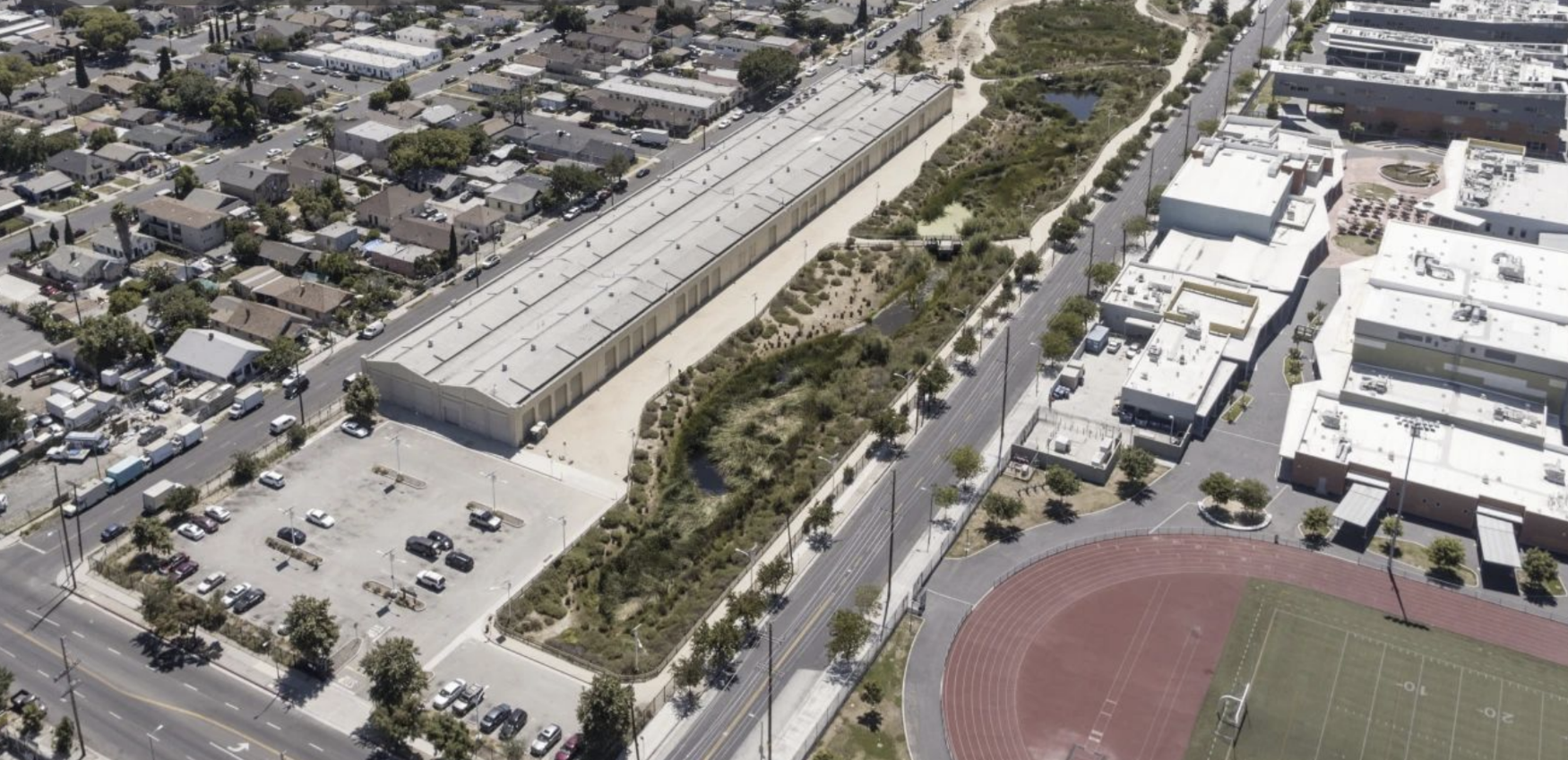
South LA Wetlands Park, Arial View
South LA Wetlands Park is one of the few nature preserves in South Los Angeles, but years of underinvestment have prevented it from fully realizing its potential. This fall, Architecture + Advocacy (A+A) will work alongside resident-activists, Sasaki, JAF, and the City of Los Angeles to shape the park's future through the South LA Wetlands Park Master Plan
A Park with Promise
Nestled in the Los Angeles River watershed, you will find South Los Angeles Wetlands Park. It holds one of the few nature preserves in South Los Angeles, land that is protected and helps conserve plants, wildlife, and natural ecosystems. The park was originally designed to improve water quality and provide residents with trails, picnic areas and a place to connect with nature. On any given day you can see a parent pushing a stroller, a senior citizen taking a leisurely walk or a runner getting in their mileage. Of course you would, because this is one of the few parks residents have access to. South LA only has 0.6 acres of parkland per 1000 residents while majority white neighborhoods throughout the rest of LA County have 31.8 acres per 1000 residents.
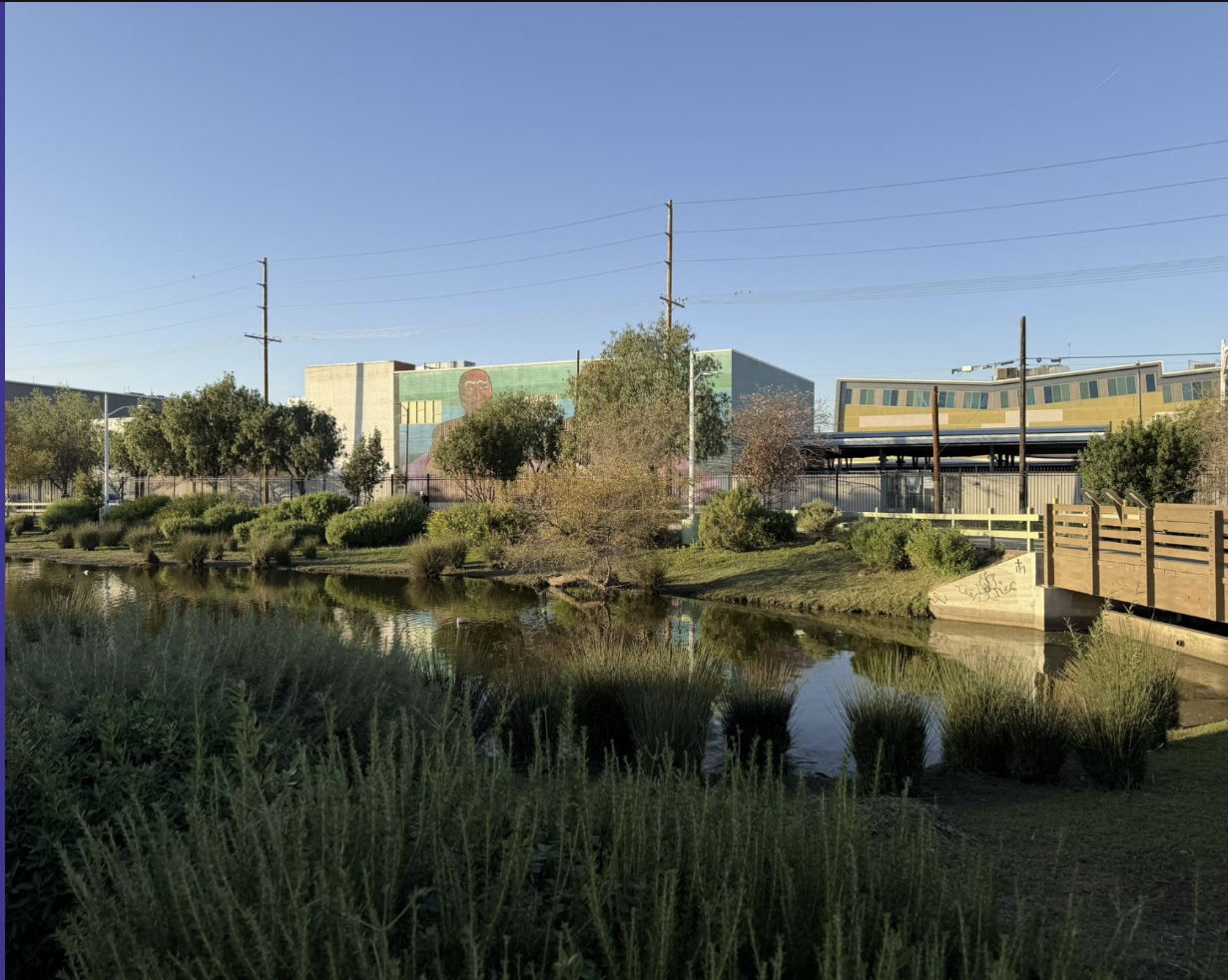
The South LA Wetlands, soon after it opened in 2012
The Legacy of Redlining and Spatial Injustice
We're always comparing the parks we have in South LA to the West Side. Our community deserves that same quality of parks, but we don’t have it. This project is an opportunity to change that."
—Giovanni Garcia, President, Voices Neighborhood Council
While the South LA Wetlands Park began with great intentions, its upkeep has not always matched its promise. The Park holds a crumbling, boarded up decaying structure that sits on one corner of the park. It also doubles as an illegal dumping ground, further subtracting from the potential beauty of the park.
This park is one of many examples of redlining’s long reaching shadow. Redlining was a discriminatory practice where banks and the federal government denied loans and investment to neighborhoods based on race, effectively trapping Black communities in underfunded areas. In 1939, South Central was outlined in red on federal lending maps and labeled as "hazardous." This cut South LA off from mortgage lending and investment. Redlining’s tentacles stretched beyond housing, as decades of disinvestment also shaped the public spaces and resources available within those neighborhoods. It’s been 60 years since redlining was struck down by the Fair Housing Act in 1968, declaring it to be an illegal real estate practice. However, the inequalities it helped give rise to remain, shaping what is now called spatial injustice. Simply put, spatial injustice is the reality that where you live determines what you may have access to.

A fire at the abandoned building on the site in October 2026 (source: @southlawetlands instagram)
A Community That Never Stopped Showing Up
Local residents, led largely by Victor Vasquez, have been calling for change at the park for years. They know what their community needs to reach its full potential: better lighting, safer public spaces, improved maintenance, and a park that reflects the needs and priorities of the community. Community organizations and residents have demonstrated their commitment to South LA Wetlands Park through community cleanups, run clubs, and advocacy for more resources, reinforcing that the park is more than green space—it's a gathering place that strengthens the neighborhood. The attention they called to the park led to the funding for the Master Plan.
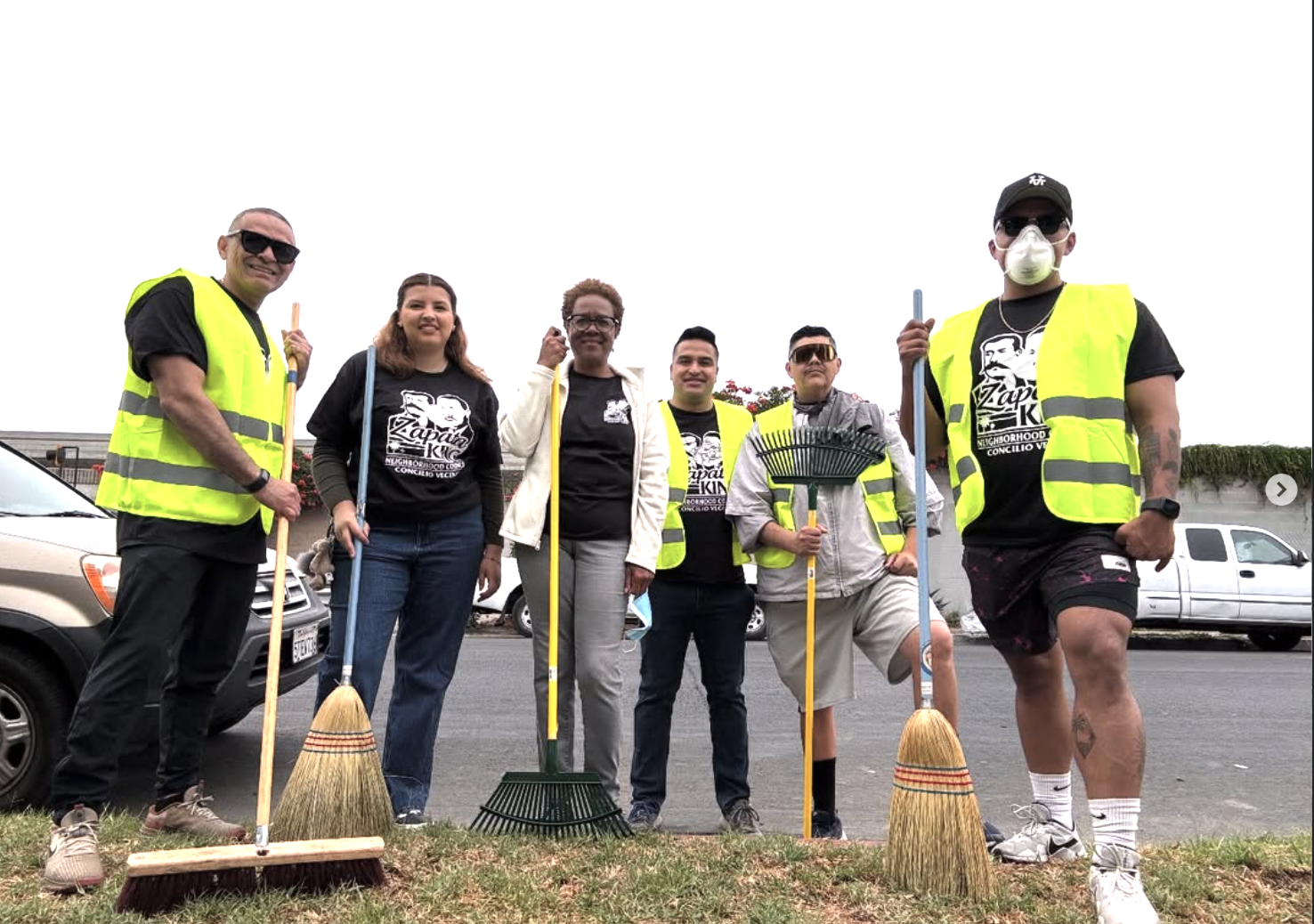
Park clean-up organized by local residents (source: @southlawetlands instagram)
Architecture + Advocacy: Building Resident Power in the Design Process
Spatial injustice also dictates who gets a seat at the planning development table, deciding what will and will not be added to the neighborhood. What’s more, it determines who gets a voice in development and most of all, who gets heard. In fact, the Los Angeles City Planning Department has acknowledged the legacy of inequity, citing: ‘A legacy of inequities including racialized policies - from redlining and zoning to urban renewal have contributed to the disenfranchisement of South Los Angeles. The lack of diverse and inclusive community stakeholder involvement in urban planning policy and development decisions have oftentimes contributed to poor outcomes for this community.’
It’s clear that the scales are uneven, and Architecture & Advocacy (A +A) wants to help change that- starting with the South Los Angeles Wetlands Park. A+A's role is to help ensure those priorities are heard and reflected in the park's redesign.
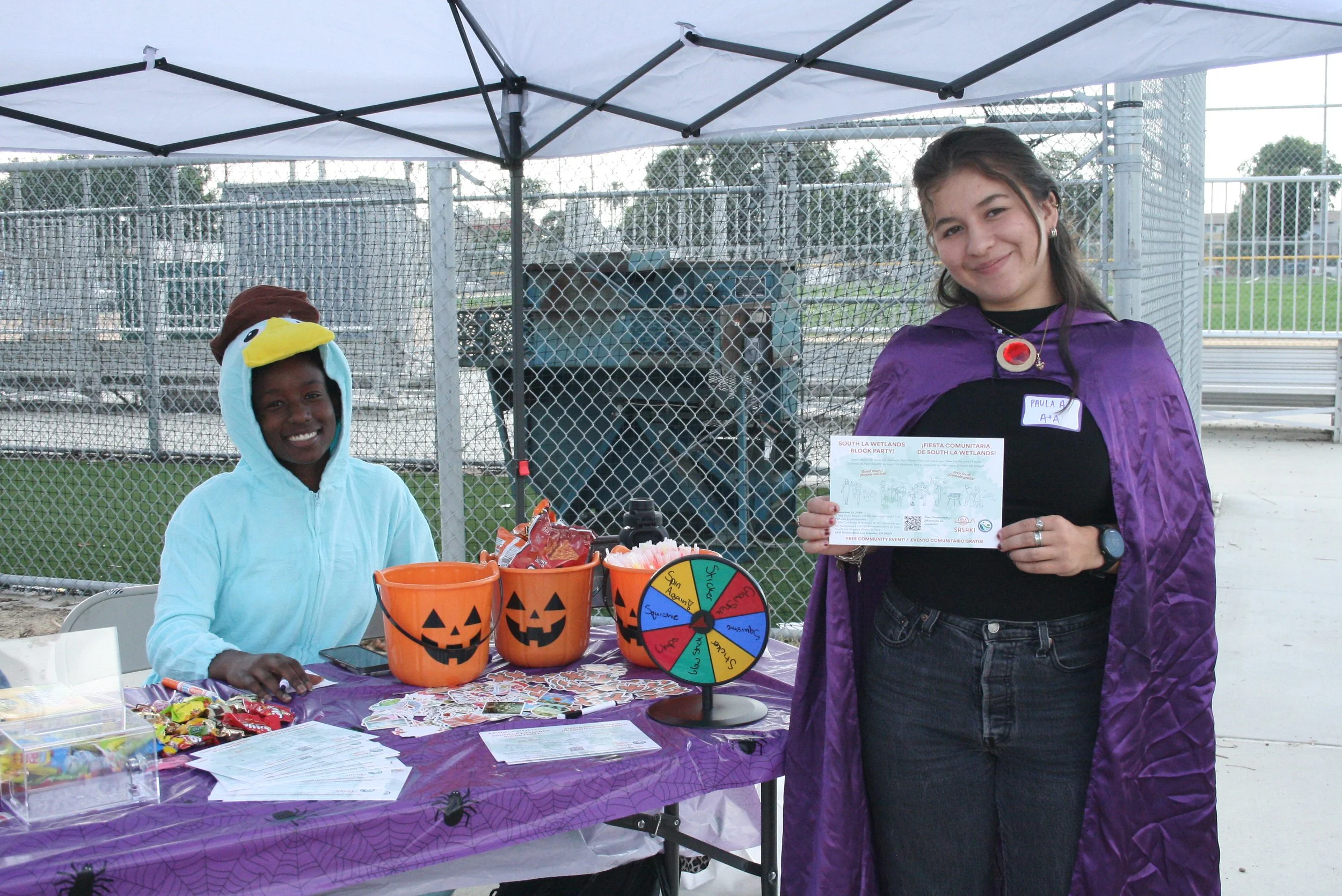
Architecture + Advocacy leaders at a pop-up halloween event (in costume of course!) to promote opportunities to get involved in the project
Shaping the Park's Future
As part of the South LA Wetlands Park Master Plan, A+A will partner with Sasaki, JAF, and the City of LA Dept. of Rec + Parks to build relationships with residents and gather their input through community engagement – pop up events, open houses, focus groups- meeting the residents where they already are. A+A will take the community’s vision for the park – after all, residents know what they want and need in their own backyard- and break it down into digestible tasks that the City and design team can fund, incorporate, and build from. This will be continuous collaboration, providing input from the current residents throughout the process, not just at the end.
The 2 year project is set to begin in the Fall 2026, and this is the first blog in our series documenting the beginning of our journey. We look forward to you joining A+A through this incredible transformative project. It’s one park, one project, one community at a time - and the time is now.